
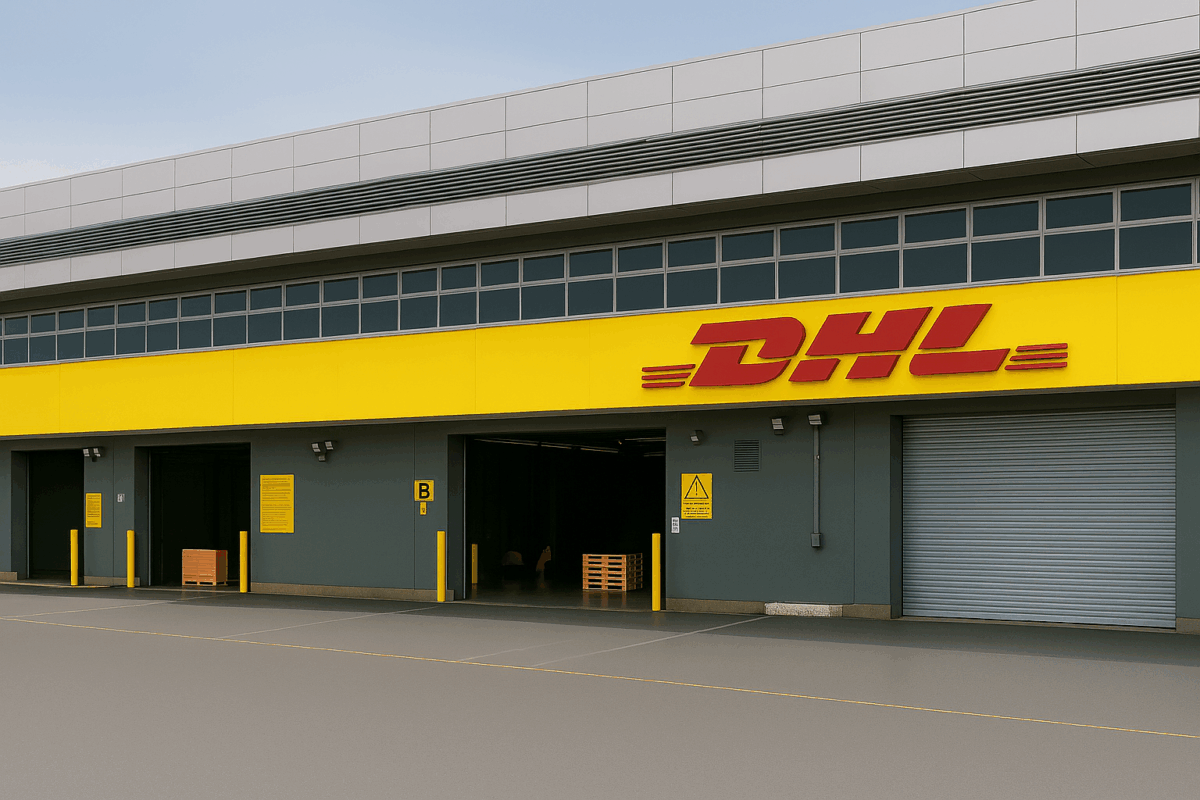
DHL Global Forwarding is expanding its cold chain logistics capabilities in Asia Pacific with the opening of a dual-certified pharmaceutical facility at Kuala Lumpur International Airport (KLIA). The move strengthens DHL’s position as a leader in healthcare logistics, while also addressing rising demand for temperature-sensitive pharmaceutical transportation across the region.
The 38,000-square-foot site is the first within KLIA’s Free Commercial Zone certified for both 15–25°C and 2–8°C storage, adding a new layer of flexibility for manufacturers and distributors of pharmaceuticals, biologics, and vaccines. The hub carries both IATA CEIV Pharma certification and DHL’s Air GxP certification, underscoring compliance with the industry’s most stringent standards.
A Cold Chain Facility Designed for Growth
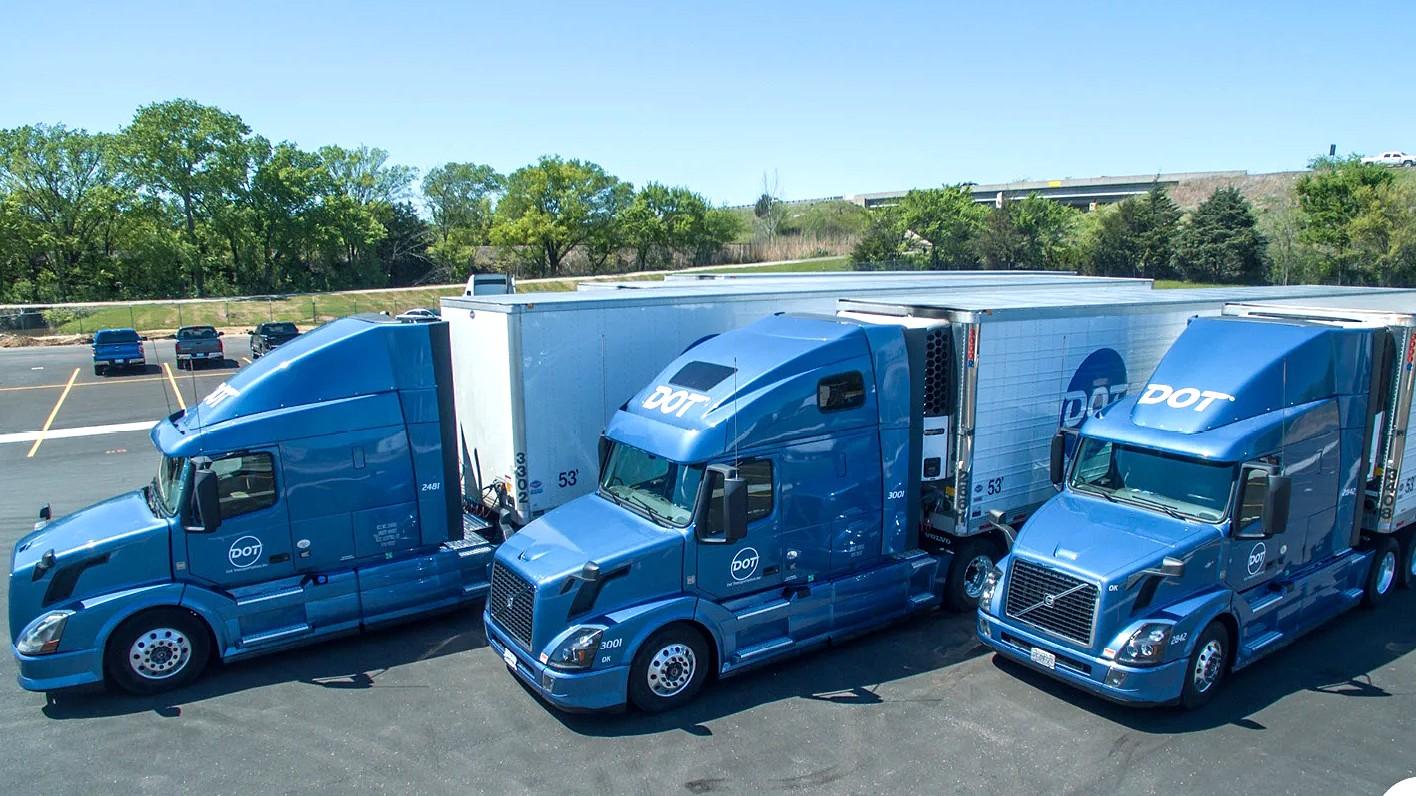

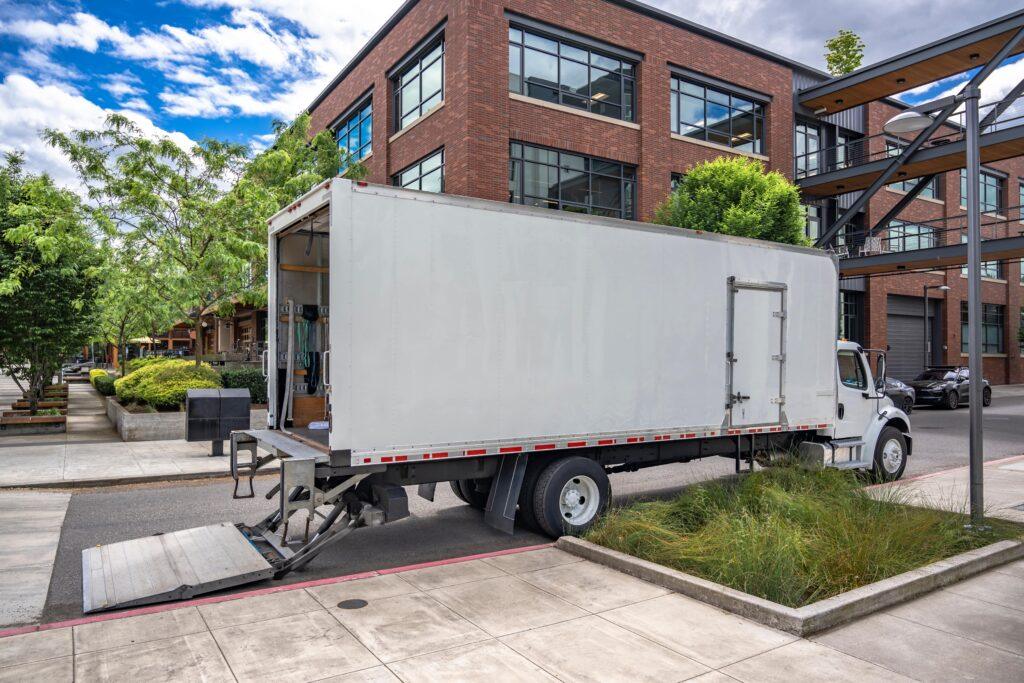
The KLIA facility represents a significant step in DHL’s push to expand its pharma supply chain infrastructure. Features include dedicated cold rooms, secure storage cages with restricted access, automated environmental monitoring, and reefer truck transfers to maintain integrity from pickup to delivery.
DHL officials say the site is designed to reduce turnaround time, minimize third-party handling, and ensure compliance with Good Distribution Practice (GDP) standards. It also incorporates sustainability measures such as energy-efficient compressors and refrigerants with lower environmental impact.
“Malaysia is strategically located to serve as a regional hub for global medical technology companies, and the fast-growing market is expected to reach a value of $4.5 billion by 2028,” said Praveen Gregory, Managing Director for Singapore, Malaysia and Brunei at DHL Global Forwarding. “Our cold chain infrastructure in KLIA has consistently delivered high standards in pharmaceutical logistics since 2023, and as demand across Asia Pacific accelerates, we are ready to lead with best-in-class facilities and expertise.”
Asia Pacific Healthcare Logistics on the Rise
The expansion comes as Asia Pacific’s healthcare logistics market continues to surge. A Data Bridge Market Research report projects that the sector will grow from $17.6 billion in 2022 to $29.5 billion by 2030, a compound annual growth rate of 7.1%. That growth is being fueled by aging populations, rising chronic disease prevalence, and increasing demand for vaccines and biologics.
DHL is positioning itself at the center of this trend. The company currently operates 37 Air GxP-certified stations and 12 IATA CEIV Pharma-certified facilities across the region, including hubs in Singapore, Tokyo, Seoul, Sydney, and Shanghai. The new KLIA hub further solidifies Malaysia’s role as a strategic node in the global healthcare supply chain.
DHL’s Long-Term Play in Life Sciences
The investment aligns with DHL Group’s Strategy 2030: Accelerating Sustainable Growth, which identifies Life Sciences and Healthcare as a core growth sector. Earlier this year, the company announced a €500 million regional investment in compliant storage and pharma infrastructure across 15 Asia Pacific markets.
For DHL, the new KLIA facility is about more than just capacity. It is part of a broader effort to provide future-ready logistics solutions that ensure critical healthcare products move across borders safely, securely, and sustainably.
With demand for temperature-controlled logistics in Asia Pacific showing no signs of slowing, DHL’s latest investment highlights how global forwarders are racing to build out infrastructure in one of the world’s fastest-growing healthcare markets.
The post DHL expands Asia Pacific cold chain network with dual-certified facility in Malaysia appeared first on FreightWaves.
Fuente: https://www.freightwaves.com/news/cold-chain-logistics-2